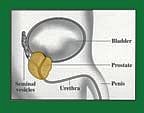












Prostate Gland Infection
|
 |
|
From time to time, you may hear or read scientific reports allegedly showing that such-and-such vitamin doesn't work or may even be harmful to your health. They are a perfect example of the existing, and often uninformed, prejudice against nutritional supplements. I sincerely hope that you do not believe in such anti-vitamin nonsense discouraging their use. |
This website is intended to allow you to manage your own prostate care, ask the right questions, insist on adequate management and information to become an informed patient, and seek an optimal outcome for yourself.
Perhaps it will even help health professionals who are giving care - urologists and prostate specialists - to appreciate and, hopefully, consider the alternative prostate infection and/or BPH treatment, more natural and lifestyle-based.
When it comes to prostate care, you need to stay alert, ask questions, and ultimately rely on yourself for important healthcare decisions. By applying these guidelines, you will be able to take better control of your health, just as we all should do.
I. Basic Eating Plan
|
Your diet accounts for as much as 80 percent of the health benefits reaped from a healthy lifestyle. |
LIMIT or ELIMINATE:
ALL sugars such as:
Alcohol such as:
- beer
- wine
- hard liquor
- liqueurs (usually sweetened alcoholic liquors).
LIMIT:
- red meat, especially fried, changing it to broiled or roasted poultry (turkey, chicken), preferably free-range.
ADD More:
PLEASE NOTE: Although the dietary restrictions advised to help prevent and remedy bladder infection may seem hard, it is heartening to realize you can achieve significant improvement of your health without prescription medicine - if you put your mind to it.
II. Advanced Eating Plan
|
Although the dietary restrictions advised here may seem hard, it is heartening to realize you can achieve a significant improvement - if you put your mind to it. |
Re-educating your taste buds and re-programming your dietary patterns is not actually hard to do - if you do it right. One good way to do that - although this may require some preplanning - is to make
- your new food preferences delicious, and
- the experience fun.
Here are the optimal dietary guidelines that you should give serious consideration. At first, they seem hard to follow. However, you do not have to make yourself a social outcast with most of your family and friends, by following all recommendations to the letter.
AVOID:
- Sugar (in ALL forms) - limiting sugar is CRITICAL!!!
- Aspartame (NutraSweet or Equal)
- Sucralose - (Splenda)
- Trans fatty acids (all fried foods and margarine)
- MSG - artificial chemical (may not be listed in ingredients)
- All artificial preservatives and chemicals, if possible.
-
*Aspartame: the technical name for the brand names, NutraSweet,
Equal, Spoonful, and Equal-Measure - is the common food additive found
in thousands of products such as diet soda, yogurt, and
over-the-counter medicines. However, this sugar substitute - in fact, a
chemical poison (neurotoxin) - should never been approved for
consumption as it poses a public health threat. (Aspartame accounts for
over 75 percent of the adverse reactions to food additives reported to
the US FDA. A few of the 90 (!) different documented symptoms caused by
the components of aspartame include: headaches/migraines, dizziness,
seizures, nausea, numbness, muscle spasms, weight gain (it actually
increases appetite!), rashes, depression, fatigue, irritability,
tachycardia, insomnia, vision problems, hearing loss, heart
palpitations, breathing difficulties, anxiety attacks, slurred speech,
loss of taste, tinnitus, vertigo, memory loss, and joint pain.)
** Sucralose: a relatively new artificial sweetener (high-intensity sugar substitute; 50% sweeter than aspartame - but less toxic than aspartame), sold under the name SplendaT. It is non-caloric and about 600 times sweeter than sucrose (white table sugar), alredy used in a variety of products (in the United States, approved for the use in 15 food and beferage categories). However, sucralose is NOT proven safe; it does NOT provide any benefit to the public (only for the corporations making and using sucralose); it does NOT help with weight loss (on the contrary: it my stimulate appetite); it has NOT been shown to be safe for the environment, and, finaly, there are NO long-term (12-24 months) human studies on sucralose (similar to several years ago for aspartame). Its regular use may contribute to serious chronic immunological or neurological disorders.
Eat Less Fruit:
AVOID ALL fruit juices
Eat More Vegetables:
-
Summary: The greener, the better. Once again, green leafy vegetables also contain compounds known as thylakoids that trigger satiety signals in humans to help people regulate food intake, prevent weight gain, and promote weight loss.
AVOID:
Healthy Fats:
-
Have More Omega-3 Fatty Acids, DHA and EPA:
- Cod liver oil - especially during the winter, early spring and late fall months
- High quality fish oil - preferably in capsules (standard size 90/180 mg of EPA and 60/120 mg of DHA)
- Organic flax seeds (not flax oil) - preferably freshly ground up, mixed with salads or vegetables.
- ALL vegetable seed oils (high in omega-6 fatty acids!) with the exception of cold pressed extra virgin olive oil for salads only (for cooking or stir-frying use virgin coconut oil).
AVOID:
Beverages:
-
Drink Water Only:
- Spring water or filtered
- Well water is generally OK
- Drink water at room temperature, not chilled or iced (shuts down the digestive system!)
- Lemon and lime juice can be added intermittently for flavor change
- Amount needed: ideally, one quart for every 50 pounds of body weight.
- Freshly processed vegetable juice (ALL fruit juices should be avoided!)
- Green tea (very limited amounts due to high fluoride content; accumulated by tea leaves from pollution of soil and air, fluoride can also adversely affect the beneficial action of individual antioxidants found in green tea).
- Tap water
- Softened or distilled water
- Coffee, tea, colas, diet drinks
- Milk, especially skim (get vitamin D from supplements or sun exposure; get calcium from green vegetables or supplements).
Drink Vegetable Juices
AVOID:
Eat More Protein
- Meats, preferably grass fed (not grain fed) REAL beef, game meats (venison, buffalo, lamb), free range poultry (chicken, turkey, ostrich)
- Fish - with caution due to possible mercury contamination, preferably summer flounder, wild (not: farm-raised!) Pacific salmon, croaker, sardines, haddock, tilapia
- Eggs - organic ONLY; if poached or sunny-side up (never scrambled!) 3-6 per week, every other day; if raw (Rocky-style) 6-12 per week, every other day
- Seeds - raw only, unsalted, whole or ground up: sunflower, pumpkin, sesame (or tahini), flax (or flax meal)
- Nuts - raw only, unsalted, whole or ground up (nut butter): cashews, Brazil nuts, almonds, pecans (but in limited quantities).
- Pork: ham, most bacon, pork roast and chops
- Shellfish: shrimp, lobster, crabs, clams
- Peanuts - any food that has peanuts.
AVOID:
-
Eat Beans and Legumes
- In limited quantities - not complete protein source, high in carbohydrates
- Soak beans (not lentils) for 48-72 hours
- Rinsing every 12 hours
- Cook them for 8-12 hours in a crock-pot
- If canned - on occasion only (less nutritional value), from a health food store
-
AVOID:
- All soy, unless fermented or sprouted
- Tofu, soy nuts, isolated soy protein (ISP) - soy milk, soy protein powder, soy flour
- Only miso and tempeh (fermented soy), and soy sprouts are acceptable - available in a health food store.
What About Xylitol?
Xylitol is extracted from birch cellulose and is considered to be a carbohydrate alcohol ("sugar alcohol").
Sugar alcohols are derived from monosaccharides by reduction of a carbonyl group (CO), so that each carbon atom of the sugar has an alcohol group (OH). That would lead most of us to believe that it is still a sugar, and should be disclosed as sugar on our labels.
However, the FDA, in its wisdom, decided that only sugars that are classified as monosaccharides and disaccharides would be disclosed as sugar on labels.
Since a sugar alcohol is neither of these, then, according to the prevailing food labeling laws, the Xylitol mints a gums are considered "sugar free" by the FDA ("Sugar-Free" chewing gum contains xylitol because it does not produce the bacterial support for increase of cavity causing acids).
As to the glycemic index, when compared with other sugars, Xylitol's effect on blood sugar levels is extremely low as it metabolizes in a dissimilar manner and may be used safely for diabetics and hypoglycemics. Bacterial salivary organisms do not feed, grow or ferment on xylitol as they do on other simple sugars.
The following index numbers - averaged from several sources - make this clear:
- Sucrose: 68
- Honey: 55
- Fructose: 20
- Xylitol: 8
Xylitol Safety
The scientific conclusions from 1996 indicate that the use of xylitol in humans is safe. Therefore, it has been accepted as an approved food additive for use in foods for special dietary uses.
Also an Acceptable Daily Intake (ADI) of "not specified" has been allocated for xylitol. An ADI - the amount of food additive that can be taken daily in the diet over a lifetime without risk - of "not specified" is the safest category in which a food additive can be placed. Also in Europe, xylitol has been determined "acceptable" for dietary uses.
If You Don't Want or Need to Lose Weight
The above diet outline will generally cause you to lose weight. However, if you do not want or need to lose weight you can increase your intake of the following foods:
Add More:
Food Types to Absolutely Avoid
|
One of the simplest and most profound health improvements you can make is to eliminate soda from your diet. |
The following foods are so bad for your body that there is no any reason to eat them. Not only do they have zero nutritional value, but they also give your body quite a dose of toxins.
1. Doughnuts:
- fried in vegetable oils, therefore, high in trans fat (store-bought doughnuts contain 35-40 per cent trans fat!);
- high in sugar (an average doughnut contains about 200-300 calories, mostly from sugar, and few other nutrients);
- full of white flour (in most varieties).
Nutritionally speaking, eating a doughnut is one of the worst ways to start off your day. It will through off your blood sugar and won't stay with you so you'll be hungry again soon.
You are better off eating no breakfast at all rather than having a doughnut.
2. Soda (both Regular and "Diet"):
- high in sugar (one can of soda has about 10 teaspoons of sugar - 150 calories)
- high in caffeine (30 to 55 mg of caffeine per one can of soda)
- loaded with artificial food colors and sulphites
- filled with harmful artificial sweeteners like aspartame - NutraSweet, Equal (in the "diet" varieties).
Nutritionally speaking, drinking soda leads to nutrient deficiencies, osteoporosis, obesity, tooth decay and heart disease; yet, the average American drinks an estimated 56 gallons of soft drinks each year (!)
Especially threatening is the consumption of soft drinks among children. Unfortunately, schools often make marketing deals with leading soft drink companies in exchange for their students' health (most school hallways are still lined with soda-filled vending machines!).
3. French Fries (and Nearly All Commercially Fried Foods)
- high in trans fat (potatoes cooked at high temperatures in vegetable oils)
- high in free radicals harmful to the body
- high in acrylamide (up to 82 mcg per serving), a potent cancer-causing chemical formed as a result of unknown chemical reactions during high-temperature frying or baking.
Nutritionally speaking, consuming foods that are fried in vegetable oils contributes to aging, clotting, inflammation, cancer and weight gain.
One French fry is worse for your health than... one cigarette, so you may want to consider this before you order your next 'Biggie' order.
4. Chips (Corn, Potato, Tortilla, etc.)
- high in trans fat (present in most commercial chips)
- high carcinogenic acrylamide (up to 25 mcg per serving).
5. Fried Non-Fish Seafood (Shrimp, Clams, Oysters, Lobsters, etc.).
- high in trans fat
- high in carcinogenic acrylamide
- high in mercury
- contaminated with parasites and resistant viruses (they may not even be killed with high heat).
Eating these scavenger animals gives you with every bite a quadruple dose of toxins.
Food Types to Favor
In your journey to a better health, there are quite a few food types to favour.
For beverages, drink mainly water. Among meats, fish is best, especially "safe," or less contaminated, fish such as summer flounder, wild (not: farm-raised!) Pacific salmon, croaker, sardines, haddock, and tilapia.
Then, dark green vegetables. Especially, the cruciferous vegetables (broccoli, cauliflower, collard greens, kale, mustard greens, turnip greens, Brussels sprouts) are foods to be favoured. The other, so-called "cooking greens" - i.e. not cruciferous - include beet greens, dandelion greens, spinach, and Swiss chard.
Are raw foods more nutritious than cooked foods? In general, yes, moderately so, as far as vitamins are concerned. However, the distinction between raw and cooked (but not "overcooked"!) foods is probably not worth making.
The goal of this journey to a better health is to devise each day's food intake so as to optimize nutrition and minimize calories from carbohydrates - grains, legumes, starches and, of course, sugars.
There can be "off" days when you eat something from your old habits, but these should gradually be decreased until only about every tenth day is an "off" day at home.
When Eating Out
Eating out should not be a major problem - do as you like. No fancy desserts, however, except, if you must, on the "off" day or when dining out. In general, if you eat out often, you must be somewhat restrictive.
But when dining out, concentrate mainly on the quality of the diet. For example, don't eat the white bread and butter most restaurant put on the table for you to nibble while you await the main course. Either don't choose a high-fat meat (roast duck, pork, or the like).
Look on the menu for items cooked without added fat: steamed, cooked in own juice, broiled, roasted, or poached would be okay. Avoid items sauteed, fried, braised, creamed, escalloped, pickled, or smoked.
In other words, concentrate on switching toward the highest possible quality of food. You will find it far easier to limit your calories if the quality is high - until you will become accustomed to a better quality diet.
Try your best to adapt to such a diet, or something like it. And don't give up too easily.
What Am I Supposed to Eat?!
There is no question that healthier food choices will work for you. However, following any dietary recommendations is a challenge.
Most probably, you don't have the time to:
- go to a library or a bookstore and pick up a few cookbooks, so you could start the program, or
- compile the recipes (if any) to implement the food recommendations.
Therefore, as a result, you may not be able to successfully carry out recommended dietary changes.
However, if you really want to eat right to control (and prevent) prostate infection, here's great news... The ANSWER to your question: "What am I going to eat?"
Many clients in our practice have found one particular cookbook exceptionally helpful in preventing and controlling prostate infections:
|
The Low-Grain, Low-Sugar Delight
Cookbook Over 260 Simple Recipes Beginners and Experienced Users Edited by Josh Paretzky, RHN Registered Nutritionist |
This superb cookbook - not available in stores at the moment - contains over 260 simple, hypoallergenic and delicious recipes (guaranteed!). It can help to get you started on your journey to
improved urinary health in no time.
All recipes follow food choice recommendations outlined in our basic and advanced eating plan. You should be able to open the book and - just cook.
An Alternative to Standard Low-Carb Diets
As you may know, the mainstream medical community has just recently started to come around to the fact that low-carb diets do work and are safe. The Low-Grain, Low-Sugar Delight definitely falls into this category.As a great alternative to standard low-carb diets, it offers you many benefits. First of all, it can help you control and/or prevent recurrent prostate infections.
In addition, The Low-Grain, Low-Sugar Delight can help you loose unnecessary weight - up to 30 pounds(!) - depending on your commitment.
However, what sets this cookbook apart from the standard low-carb diets is that it promotes moderate - not high - consumption of fat, with a complete elimination of so called "trans-fat" typical in North American diet.
The Low-Grain, Low-Sugar Delight also overcomes another culprit of typical low-carb diets which is a low consumption of vegetables which may cause shortages of important vitamins and minerals. We promote "the greener, the better" philosophy of eating.
However, everyone is different. Your environment, body chemistry, and psychology are unique. So it may take time to find out what exactly will work for you.
Dietary changes are usually about lifestyle changes - new ways to think about food, exercise and relationships.
In order not to get bored because of the limited (still) choices of foods, you need to try to design your meals and eat regularly - do not eat by accident. And experiment by trying new recipes.
Most likely, you will have difficulty implementing the dietary suggestions - unless you sit down once a week to prepare a menu. This will allow you to
- purchase the items you need and
- have them on hand for preparing your meals.
If you don't do this, you may slip back into your old, more comfortable and less healthy, eating habits...
Twenty-Six Sections
The Low-Grain, Low-Sugar Delight cookbook consists of over 260 recipes divided into twenty-six (26) sections:
Although this cookbook does not give you specific menu combinations, it is quite easy - with its help - to create your own menus, as it allows for variety.
So, what you need to do first, is to find at least fifteen (15) recipes you like. It should not be that difficult to do - actually, that's all most families use.
Then, do your best to have a variety. Variety is the key here! If you are going to rotate between two or three meals you will simply burn out.
You will see that eating right to be independently healthy is possible. It may seem overwhelming at first and, at times, will feel impossible - but you can do it.
At Full Health Inc., we are sure this superb cookbook will do as much for you as it has done for our clients and customers. If other people have benefited from it you will benefit as well.
You Will Benefit
The Low-Grain, Low-Sugar Delight is a satisfying way to cook so you never have to choose between good health and great taste!We hope you will consider it as a part of your diet plan. Although The Low-Grain, Low-Sugar Delight is not (yet) on the best sellers list - it does work without clever marketing campaigns!
Therefore, we are confident it will work for you as it has worked for thousands who have been able to control prostate infection and lose unnecessary weight in a healthy, safe way.


(Except Denmark, Germany, Mexico, Nigeria, Norway, Saudi Arabia, South Africa, Sweden, Turkey, Ukraine, United Arab Emirates)
INTERNATIONAL SHIPPING FEE
The website software we use makes it difficult to include a variable international shipping fee for different countries. Therefore, if our cost of shipping to your destination country is significantly different from the Shipping Fee at checkout we will contact you by e-mail with a shipping quote for your approval.
We do not charge for any product until it is ready to ship from our Philadelphia, PA warehouse by U.S. Postal Service (USPS).
Our Guarantee:
You may rest assured that you will NEVER be put on any automatic reorder scheme!
|
ONLINE CUSTOMER AGREEMENT
Although Uribiotic is an effective complementary remedy for promoting urinary tract health and healing, it is not a replacement for conventional medical treatment. I understand that the information provided herein is not a substitute for medical examination and/or diagnosis; and that is recommended that I see a physician for any physical ailment that I might have and for any new exercise activity, dietary supplementation or diet program that I intend to begin. I understand that Full of Health, Inc. does not have a money-back guarantee policy and shall not be liable for any issues whatsoever that may arise from the use of/or reliance upon any information obtained and/or any products purchased online through the website of the said company. By placing my order, I have agreed to accept the conditions of sale contained herein. |
Concerned About the Cost? Remember:
The bitterness of poor results lingers long after the sweetness of low price.
|
AmeriCommerce®
Secure Online Payment Please note that your payment may be subject to a fee from your local bank. Additional fees (if any) are calculated by your credit card provider, not by Full of Health. For further information, please contact your financial institution. |

Phone Assistance
If you would like to discuss your ordering options, please give us a call:
If there is nobody available to take your call, kindly
. We will get back to you next business day.
PLEASE NOTE: If the e-mail link above doesn't work (an error message) you need to enable (activate) JavaScript in your web browser or install it on your computer.
Uribiotic: Broad-Spectrum Herbal Antibiotic
"As a last resort I tried URIBIOTIC, and within a few days the effects were amazing: clear, golden urine and a nice, relaxed bladder; relief at last. For this, I am most grateful and I thank you! ~ David P., Devon, UK |
It has been known for years to alternative practitioners - nutritionists, herbalists, naturopathic doctors and nutritionally-oriented physicians that the natural, non-pharmacological approach to prostate and urinary infection compared to standard medical treatments (read: antibiotics) is clearly a superior, and most importantly, safer and without side effects option.
Actually, it is on open secret that antibacterial and anti-inflammatory herbs, micro- and phytonutrients can help to remedy and overcome acute and repeated, chronic prostate and bladder infection by:
By preventing bacterial cell division and breaking down the walls and cytoplasm of bacteria (in a similar fashion to some types of pharmaceutical antibiotics), Uribiotic Formula helps to inhibit the growth (or kill) many types of detrimental pathogenic bacteria including:
- Actinomyces naeslundii
- Bacillus anthracis (on the basis of its known ability to kill other species of Bacillus)
- Bacillus alvert
- Bacillus cereus
- Bacillus subtilis
- Brucella abortus
- Campylobacter jejuni
- Chlamydia pneumoniae
- Chlamydia trachomatis
- Clostridium species (botulinum, tetani)
- Cornybacterium diphtheriae
- Enterobacter aerogenes, gram-negative aerobe, also known as Klebsiella mobilis or Klebsiella aerogenes (the latter at one time was used for several strains now known to belong to Klebsiella pneumoniae; now it is used primarily by researchers who believe that Enterobacter aerogenes should be transferred to Klebsiella)
- Enterococcus faecalis (gram-positive aerobe, former Group D streptococcus)
- Eschericia coli (E. coli, gram-negative aerobe)
- Helicobacter pylori (H. pylori)
- Haemophilus influenzae
- Klebsiella pneumoniae (gram-negative aerobe)
- Legionella pneumoniae
- Listeria monocytogenes
- Moraxella catarrhalis
- Mycobacterium smegmatis
- Mycobacterium tuberculosis
- Neisseria gonorrhoeae
- Neisseria memingitidis
- Pasteurella septica
- Pneumocystis carinii
- Propionibacterium acnes
- Proteus mirabilis (gram-negative aerobe)
- Proteus vulgaris (gram-negative aerobe)
- Pseudomonas aeruginosa (gram-negative aerobe)*
- Pseudomonas cepacia
- Salmonella enteridis
- Salmonella enteritidis
- Salmonella choleraesuis
- Salmonella paratyphi A
- Salmonella typhimurium
- Serratia marcescens (gram-negative aerobe)
- Shigella dysenteriae
- Shigella flexneri
- Shigella sonnei
- Staphylococcus aureus (gram-positive aerobe, responsible for "Golden Staph")**
- Staphylococcus saprophyticus (a gram-positive, coagulase-negative bacterium, recognized as a cause of urinary tract infections since the early 1970s)
- Streptococcus faecalis (now classified as Enterococcus faecalis)
- Streptococcus mutans (alpha-hemolytic Streptococcus), also known as Group A Streptococcus (GAS)
- Streptococcus pneumoniae (alpha-hemolytic Streptococcus), also known as Group A Streptococcus (GAS)
- Streptococcus pyogenes (beta-hemolytic Streptococcus), also known as Group B Streptococcus (GBS)
- Streptococcus sanguis (alpha-hemolytic Streptococcus), also known as Group A Streptococcus (GAS)
- Streptococcus viridans (alpha-hemolytic Streptococcus), also known as Group A Streptococcus (GAS)
- Streptomyces species
- Treponema pallidum
- Ureaplasma urealyticum - a species of detrimental ureaplasma bacteria, a genus of bacteria belonging to the family Mycoplasmataceae. Mycoplasma, also known as Asterococcus, is a genus of aerobic to facultatively anaerobic, gram-negative detrimental bacteria. Several species are pathogenic in humans, including Mycoplasma fermentans, Mycoplasma genitalum and Mycoplasma pneumoniae.
U. urealyticum - the phylogenetic cluster of M. pneumoniae, is part of the normal genital flora of both men and women. It is found in about 70 percent of sexually active humans. It is believed to be sexually transmitted and transmitted from mother to infant.
Ureaplasma urealyticum infection may cause urinary tract infections (UTIs), urinary tract/kidney stones (struvite stones), non-specific urethritis (NSU), nongonorrheal urethritis and prostatitis in men. It has also been noted as one of the infectious causes of sterile pyuria (pus in urine).
Penicillins are ineffective as U. urealyticum does not have a cell wall, which is the drug's main target. - Vancomycin-Resistant Enterococcus (VRE)
* PLEASE NOTE: Pseudomonas aeruginosa is a common bacterium found in soil, water, skin flora and most man-made environments. An opportunistic pathogen of immunocompromised individuals vulnerable to infections, it typically infects the pulmonary tract, urinary tract, burns, wounds, and also causes other blood infections.
P. aeruginosa is the third leading cause of hospital-acquired urinary tract infections, accounting for approximately 12 percent of all infections of this type. They are usually related to urinary tract catheterization, instrumentation or surgery.
It is a common cause of post-operative infection in radial keratotomy (RK) eye surgery patients and of "hot-tub rash" (dermatitis), caused by lack of proper periodic attention to water quality.
P. aeruginosa appears to be among the most adherent of common urinary pathogens to the bladder uroepithelium. An infection can occur via an ascending or descending route.
P. aeruginosa can also invade the bloodstream from the urinary tract. This route is the source of approximately 40 percent of P. aeruginosa infections.
P. aeruginosa can cause chronic opportunistic infections. These kinds of infections are a serious problem for medical care. Many patients, immunocompromised and the elderly in particular, often cannot be treated effectively with traditional antibiotic therapy.
As a highly relevant opportunistic pathogen, P. aeruginosa has low antibiotic susceptibility. It is naturally resistant to a large range of antibiotics and may demonstrate additional resistance after unsuccessful treatment.
Therefore, choosing an antibiotic should be guided according to laboratory sensitivities, rather than empirically. However, if antibiotics are started empirically - with some exceptions, given by injection only - then cultures should be obtained and, after having the culture results available, the choice of an antibiotic used should be carefully reviewed.
** PLEASE NOTE: In case of Staphylococcus aureus infections, Uribiotic Formula can be a part of a combined antibiotic therapy as it may enhance the effectiveness of pharmaceutical antibiotics for the UTI treatment.
Uribiotic Formula: An Immune Booster
An immune-boosting Uribiotic Formula helps to increase the natural safeguards - bodily defense systems that protect the urinary tract and prostate gland against pathogenic, infection-causing bacteria, such as:
Uribiotic Formula: Health Benefits

|
The truth is, however, that urinary tract infections CAN be successfully prevented, remedied and overcome naturally - without multiple rounds of prescription medications (antibiotics).
Health benefits of our proprietary Uribiotic Formula - a synergistic blend of 60 nutrients, phytonutrients (plant nutrients) and herbs thoroughly researched and put to the test - include:
- anti-inflammatory,
- antibacterial,
- antifungal,
- antiviral,
- antiparasitic,
- antioxidant,
- diuretic,
- anti-edematous (decreasing edema and swelling), and
- antitumor.
Formulated with care by a master formulator and manufactured according to the highest standards, this unique synergistic combination can help you deal with a bladder and/or even a kidney infection:
Thousands of UTI sufferers around the world have proven the efficacy of this approach. And what is most important, there has not been a single reported harm done by taking the Uribiotic Formula.
But don't take our word for it.
So, don't knock it until you try it out yourself and experience the results.
|
Naturopathic
|
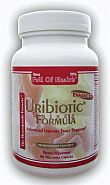 Expiry: June 2020
|
| 1. Vitamin A (All Trans Retinyl Palmitate) | 450 mcg |
| 2. Vitamin C (Calcium Ascorbate) | 60 mg |
| 3. Vitamin E (d-Alpha-Tocopherol Succinate) | 16.75 mg |
| 4. Riboflavin (Vitamin B-2) | 5 mg |
| 5. Vitamin B-6 (as Pyridoxine HCl) | 5 mg |
| 6. Biotin | 300 mcg |
| 7. Magnesium (as Taurinate) | 150 mg |
| 8. Zinc (as Monomethionine) | 25 mg |
| 9. Selenium (as Selenomethionine) | 25 mcg |
| 10-60. PROPRIETARY BLEND: | |
| Grape Seed (Vitis vinifera) Extract (Std. to 95% Oligomeric Proanthocyanidins), Buchu Short leaf 4:1 Extract, Oregano Leaf 5:1 Extract, Uva Ursi Leaf Extract (Std. to 20% Arbutin), Corn (Zea mays) Silk Extract, Echinacea (Echinacea angustifolia Root Extract, Echinacea purpurea Aerial Parts Extract), Horseradish (Armoracia rusticana) Root 10:1 Extract, Bee Propolis 2:1 Extract, Goldenseal Root Extract (Std. to 5% Berberine, Grapefruit (Citrus paradisi) Seed 4:1 Extract, Olive (Olea europaea) Leaf 4:1 Extract, Meadowsweet Herb Powder, Saw Palmetto Berry Extract (Std. to 25% Fatty Acids), Stinging Nettle Root 10:1 Extract, Caprylic Acid (as Sodium caprylate), Garlic Bulb Powder, Gotu Kola (Centella asiatica) Leaf Extract (Std. to 10% Asiaticoside), Purple Mangosteen (Garcinia mangostana) Rind Extract(Std. to 10% Mangostin), Cranberry (Vaccinium macrocarpon) Fruit Powder (90% Cranberry Solids), Horsetail Stem Extract (Std. to 7% Silica), Onion (Allium cepa) Bulb Powder, Pau D'Arco Bark 4:1 Extract, Watermelon (Citrullus lanatus) Fruit 4:1 Extract, Asparagus Shoot Powder, Astragalus Root Extract (Std. to 0.5% Astragalosides), Moringa (Moringa oleifera) Leaf 4:1 Extract, Black Walnut Hull Powder, Calcium D-Glucarate, Clove (Syzygium aromaticum) Bud Powder, Green Cardamom (Elettaria cardamomum) Seed Powder, N-Acetyl L-Cysteine, Pomegranate Fruit Extract (Std. to 40% Ellagic Acid), Rutin, Cayenne Fruit Powder, Cinnamon (Cinnamomum cassia) Bark 4:1 Extract, Great Yellow Gentian Root Powder, Hesperidin, Rosemary Leaf Extract (Std. to 6% Carnosic Acid), Triphala (Terminalia bellirica, Terminalia chebula, Emblica officinalis) Fruit Powder, Eleutherococcus senticosus Root Extract (Std. to 0.8% Eleutherosides), Horse-Chestnut (Aesculus hippocastanum) Fruit Extract (Std. to 20% Aeicin), Milk Thistle (Silybum marianum) Seed Extract, Bromelain, Chlorophyll (as Sodium Copper Chlorophyllin), Papain, Bergamot (Citrus bergamia) Dried Fruit Peel Powder, Trans-resveratrol, Vanadium (as V Sulfate), BioPerine® Black Pepper (Piper nigrum) Fruit Extract, Lycopene, Boron (as B Citrate). | 1,192.46 mg |
| Other Ingredients: Vegetable Cellulose (Capsule), Microcrystalline Cellulose, Vegetarian Leucine. | |
| Manufactured in the USA with domestic and imported ingredients in a GMP-compliant facility.
BioPerine® is a registered trademark of Sabinsa Corporation. |
QUALITY & SAFETY ASSURANCE |
| As a dietary supplement, starting after breakfast, take 4 capsules 3 times daily in between meals, each time with 4 ounces (˝ cup) of alkaline room-temperature water, or as recommended by a qualified healthcare professional. | SUGGESTED USE |
| If you are taking antidiabetic or thyroid medications, or have a gastrointestinal condition, consult with your healthcare practitioner before taking this product. Do not take this product if you are pregnant, nursing or planning to become pregnant. | WARNING |
| Discontinue use 2 weeks prior to elective surgery. | CAUTION |
| Allergen free (Milk, eggs, fish, crustacean shellfish, tree nuts, peanuts, wheat, soy). | PREMIUM PURITY |
| Uribiotic® Formula*
The Mierzejewski Formula™ Formulated and distributed by Full of Health, Inc. Lancaster, PA 17601 1.705.304.6246 * This statement has not been evaluated by the FDA. This product is not intended to diagnose, treat, cure or prevent any disease. |
Full of Health and Uribiotic are registered trademarks of Full of Health, Inc. |
 MADE IN USA
Unique, Natural and Astonishingly Effective
Our all-natural Uribiotic Formula is so astonishingly effective that it continues to amaze even the most skeptical people, including medical doctors and other health professionals. Why? Because the combination of the above active ingredients provides comprehensive and balanced support for the entire urinary tract.
For this reason, we have decided to go worldwide and share our experience with the public on the Internet to help men around the world to overcome and remedy prostatitis naturally, as an infection or inflammation (swelling) of prostate gland can lead to dangerous complications, such as prostatic abscess - an accumulation of pus within the prostate gland.
 Since 2003, we have been suppling with our proprietary Uribiotic Formula clients and customers in 28 countries: the United States, Australia, the United Kingdom, South Africa, New Zealand, Germany, Belgium, Mexico, Italy, Singapore, France, Russia, Croatia, Poland, Portugal, Denmark, United Arab Emirates, Hong Kong, St. Lucia (West Indies), Norway, Saudi Arabia, Turkey, Slovenia, Greece, Qatar, Jordan, Israel and the Netherlands.
With no doubt this unique supplement can be of great help to you and/or someone you love or hold dear. Why wait? You have nothing to lose - and your prostate health to gain.
If necessary, Uribiotic Formula can also be a part of a combined antibiotic therapy as Uribiotic Formula may even enhance the effectiveness of standard pharmaceutical antibiotics for the treatment of prostate infection, especially in case of Staphylococcus aureus infection.
First Signs of Relief Within 24-48 Hours
|
Uribiotic Formula can cause the almost instant disappearance of
Uribiotic Formula can help you eliminate:
Uribiotic Formula can help you prevent and remedy:
The results, however, may vary from person to person depending on the type of diagnosis (urine tests and/or symptoms), the type of bacteria, degree of severity of prostate infection (ranging from minor to serious), type of prostate infection (bacterial, non-bacterial), history of antibiotic intake (as this can be a cause of repeated prostatitis), structural abnormalities, age, sex and other existing health conditions such as diabetes mellitus and/or any immuno-compromised state. Besides, many men with symptoms of prostate infection actually have irritation of the urethra, candidiasis, or sexually transmitted diseases (STDs). Some of these problems may also accompany or lead to prostate infections. |
Appreciated by Our Satisfied Customers Since 2003
|
Dear Uribiotic Formula Team,
|
|
I had been on Levaquin* and Cipro[floxacin] on and off for three years. But E. coli and other bacteria in the prostate were resistant these drugs, so I went years in abdominal pain just learning how to cope.
|
|
Dear Sir,
|
|
November 26th, 2015
|
|
Hello Mr. Andrew Mierzejewski,
|
|
Dear Sir:
|
|
Dear Full of Health:
|
|
Dear Mr. Mierzejewski:
|
|
Thanks, Andrew!
|
Therapeutic and Preventive Intake: Directions
|
Not being sure of who's actually giving you the correct information, you may face a real dilemma, a serious problem of trust. However, if - despite following your doctor's orders - you are not doing well, then, you should look at your situation honestly and ask yourself, "Am I willing to try a different route to get better?"
It's a well-known fact that no one is immune to well-meaning but sometimes misguided advice from their doctors. Yes, they are professionals with medical degrees - but not with herbalist degrees. Unfortunately, as herbology (along with nutrition) has been excised from the medical school curriculum, most physicians have been, and still are, misinformed or even ill-informed about herbs. For a reason, of course.
Having said all that, with possible variations from person to person - depending on the diagnosis, degree of prostate infection, age of the sufferer, and other existing or pre-existing health conditions - the suggested intake of Uribiotic Formula can be described as follows:
I. Acute Prostate Infection/s:
In case of first signs of discomfort (slight burning sensation when urinating, frequent urination and/or inability to empty bladder completely) you need to take:
Our ironclad recommendation: A 6-day therapeutic intake (1 bottle) and, then, an additional 6-day prophylactic intake (1 more bottle) to improve and/or restore the urinary tract’s normal pH, boost the natural safeguards - bodily defense systems that protect the prostate gland against pathogenic, infection-causing bacteria, therefore, to prevent recurring infections.
In case persistent signs of prostatitis (painful burning sensation when urinating, frequent urination at night and/or inability to empty bladder completely), you need to take:
Our ironclad recommendation: A 12-day therapeutic intake (2 bottles) and, then, an additional 6-day prophylactic intake (1 more bottle) to improve and/or restore the urinary tract’s normal pH, boost the natural safeguards - bodily defense systems that protect the prostate gland against pathogenic, infection-causing bacteria, therefore, to prevent recurring infections.
PLEASE NOTE: When acute nephritis (kidney infection) is present - accompanied by high fever along with sudden retention of urine (a painful urge to pass urine but the inability to do so) - have your condition assessed immediately by your physician.
II. Chronic/Repeated Prostate Infection/s:
In case of recurrent, repeated prostate infection/s (all the above symptoms along with the need and dependence on, or a history of frequent antibiotic use) you need to take:
Our ironclad recommendation: An 18-day therapeutic intake (3 bottles) and, then, an additional 6-day prophylactic intake (1 more bottle) to improve and/or restore the urinary tract’s normal pH, boo the natural safeguards - bodily defense systems that protect the prostate gland against pathogenic, infection-causing bacteria, therefore, to prevent recurring infections.
PLEASE NOTE: When acute nephritis (kidney infection) is present - accompanied by high fever along with sudden retention of urine (a painful urge to pass urine but the inability to do so) - have your condition assessed immediately by your physician.
When to Take Uribiotic: Directions
Take the capsules throughout the day (in the morning - beginning after breakfast, then, at noon, and in the afternoon) away from food, that is either 15 minutes before a meal or about one hour following a meal, each time with ˝ glass of purified room-temperature water, preferably alkaline. Both the early eaters and late eaters should have their morning dose of Uribiotic one hour after the first meal of the day (more commonly known as breakfast).
Also, do your best and try to sip lots of water throughout the day, always purified, room-temperature, preferably alkaline, which has a higher pH level than "regular" water. Alkaline water helps neutralize acid in your bloodstream, boost your metabolism and increase the absorption of nutrients.
Not drinking enough water - an essential, vital nutrient - can increase the risk of urinary tract infections. Dark-yellow urine and/or infrequent urination are some of the symptoms of dehydration - a water imbalance disrupting levels of salts and sugars in the blood, which can interfere with the fundamental bodily functions.
Therefore, adults should consume around six to eight (6-8) cups of fluids or beverages each day. Unfortunately, many people still believe that drinking water causes... fluid retention. In fact, the opposite is true. The body retains water only if there is too little water is the cells. The average adult bladder can hold up to two cups, or 500 mL, of urine for two to five hours.
A Caution: Pharmaceutical Drugs:
Uribiotic Formula should be consumed with caution by patients on a high dose of warfarin (blood thinner) due to the presence, although in an insignificant amount, of garlic which may potentiate the anticoagulant effects of warfarin. (Reference: Fugh-Berman, A.: Herb-drug interactions. Lancet. 355(9198):134-138, 2000).
Do Not Stop!
Although symptoms-free, please DO NOT stop taking Uribiotic Formula and continue to use it until all bottles are empty.
If you are prone to repeated/chronic prostate and/or urinary tract infections keep an extra bottle of Uribiotic Formula on hand, and use it immediately at the first signs of infection for the minimum of 3 consecutive days, taking 4 capsules 3 times daily.
In time, you will notice that the frequency of your orostate and/or urinary tract infections begins to seize, making the further use of Uribiotic Formula - with some possible exceptions - unnecessary and/or occasional only.
Remember: The Results May Vary
Once again, please note that the results may vary from person to person depending on the type of diagnosis (urine tests and/or symptoms), the type of bacteria, degree of severity of prostate infection (ranging from minor to serious), type of prostate infection (bacterial, non-bacterial), history of antibiotic intake (as this can be a cause of repeated prostatitis), structural abnormalities, age, sex and other existing health conditions such as diabetes mellitus and/or any immuno-compromised state. Besides, many men with symptoms of prostate infection actually have irritation of the urethra, candidiasis, or sexually transmitted diseases (STDs). Some of these problems may also accompany or lead to prostate infections.
If Your Infection Persists
In order to enhance the therapeutic, protective and preventive (prophylactic) effects of Uribiotic Formula, especially in case of stubborn, severe and complex urinary tract infections, you may consider taking with it other supporting, bacteria-specific supplements, such as:
Besides bladder infections men quite often suffer from benign prostatic hyperplasia (BPH), a non-cancerous swelling of the prostate gland. Then, we recommend taking Uribiotic Formula along with another dietary supplement targeted for prostate health: European DP Extract.


|
United States and Worldwide (USD)
(Except Denmark, Germany, Mexico, Nigeria, Norway, Saudi Arabia, South Africa, Sweden, Turkey, United Arab Emirates) |

|
INTERNATIONAL SHIPPING FEE
The website software we use makes it difficult to include a variable international shipping fee for different countries. Therefore, if our cost of shipping to your destination country is significantly different from the Shipping Fee at checkout we will contact you by e-mail with a shipping quote for your approval.
We do not charge for any product until it is ready to ship from our Philadelphia, PA warehouse by U.S. Postal Service (USPS).
Our Guarantee:
You may rest assured that you will NEVER be put on any automatic reorder scheme!
|
ONLINE CUSTOMER AGREEMENT
Although Uribiotic is an effective complementary remedy for promoting urinary tract health and healing, it is not a replacement for conventional medical treatment. I understand that the information provided herein is not a substitute for medical examination and/or diagnosis; and that is recommended that I see a physician for any physical ailment that I might have and for any new exercise activity, dietary supplementation or diet program that I intend to begin. I understand that Full of Health, Inc. does not have a money-back guarantee policy and shall not be liable for any issues whatsoever that may arise from the use of/or reliance upon any information obtained and/or any products purchased online through the website of the said company. By placing my order, I have agreed to accept the conditions of sale contained herein. |
Concerned About the Cost? Remember:
The bitterness of poor results lingers long after the sweetness of low price.
|
AmeriCommerce®
Secure Online Payment Please note that your payment may be subject to a fee from your local bank. Additional fees (if any) are calculated by your credit card provider, not by Full of Health. For further information, please contact your financial institution. |
|
|
Phone Assistance
If you would like to discuss your ordering options, please give us a call:
If there is nobody available to take your call, kindly
. We will get back to you next business day.
PLEASE NOTE: If the e-mail link above doesn't work (an error message) you need to enable (activate) JavaScript in your web browser or install it on your computer.
Advanced Prostate Gland Support: Naturopathic Program

 NEED HELP OR ADVICE?
Contact us by email: or by phone: 1. 705. 304. 6246 (US/Can) Mon. Wed. Fri. 11:00 am-3:00 pm EST (Holidays excluded)
 © 2003-2022 Remedy-Prostate-Infection.com | Stop Acute and Chronic Bacterial and Non-Bacterial Prostate Infection Naturally | Uribiotic Herbal Formula. Antibiotic-free solution to bacterial prostate infections. The information provided herein on prostate infection and the natural alternatives to antibiotics is a general overview and may not apply to everyone; therefore, it should not be used for diagnosis or treatment of any medical condition. While reasonable effort has been made to ensure the accuracy of the information on prostate infection, Full of Health, Inc. assumes no responsibility for errors or omissions, or for damages resulting from use of the information herein.
URIBIOTIC and FULL OF HEALTH are registered trademarks of Full of Health, Inc.

return to previous page
Remedy-Prostate-Infection.com